
Wyoming's strict unwanted call laws protect residents from excessive telemarketing through a Do Not Call list and penalties for non-compliant businesses. Unwanted call lawyers leverage Devils Tower as a symbol of privacy defense, offering legal protections against relentless calls. They guide consumers under TCPA, addressing illegal practices like unsolicited calls, and advise on remedies including cease-and-desist letters, lawsuits, or compensation.
In the age of relentless telemarketing, Wyoming residents are finding a powerful ally in Hulett’s Devils Tower of Telemarketing Defense. Understanding Wyoming's stringent unwanted call laws is crucial for consumers looking to protect themselves from persistent sales calls. This article delves into the rise of the Devils Tower strategy, exploring legal options available to Wyoming's unwanted call lawyers and how they're helping residents reclaim peace from unwanted intrusions.
Understanding Wyoming's Unwanted Call Laws
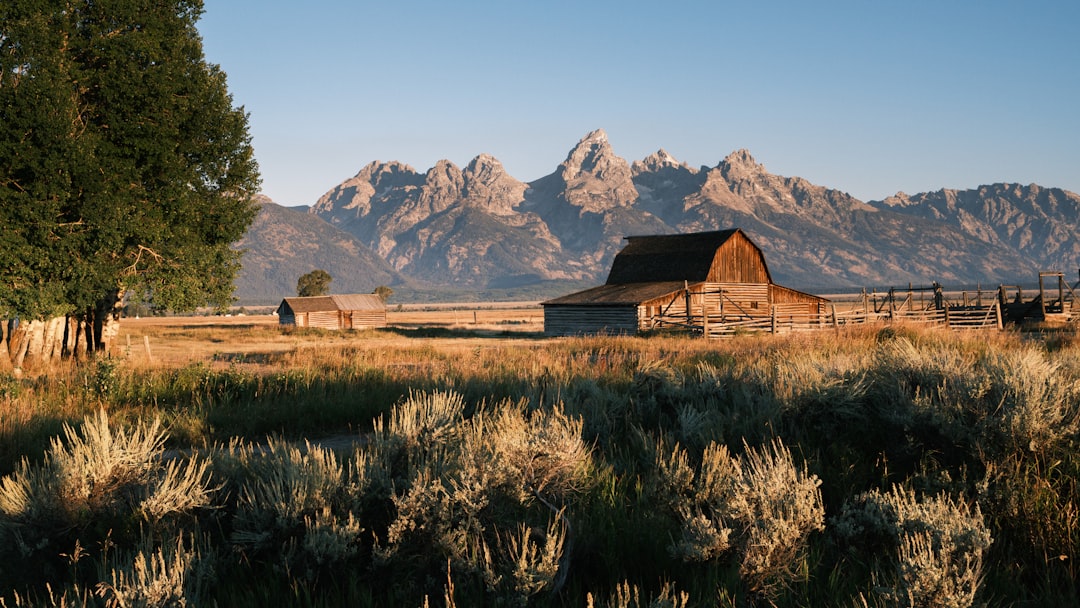
In Wyoming, the fight against unwanted calls has taken center stage with the implementation of strict laws designed to protect residents from excessive telemarketing. These regulations are a boon for those plagued by relentless sales calls, offering a much-needed respite. The state's unwanted call laws target telemarketers and sales companies that fail to respect individual privacy. By understanding these laws, Wyoming residents can take action against persistent callers and seek the assistance of unwanted call lawyers when necessary.
Wyoming's legislation provides citizens with the power to stop unwanted calls by registering their phone numbers on the state's Do Not Call list. This simple step significantly reduces the volume of sales calls received. Moreover, the laws outline strict penalties for telemarketers who ignore the rules, ensuring that businesses operate responsibly. With these measures in place, Wyoming residents can enjoy a quieter, more peaceful environment free from intrusive marketing calls.
The Rise of Devils Tower Defense Strategy

In recent years, a novel defense strategy against relentless telemarketing calls has emerged in Wyoming—the Devils Tower Defense. This innovative approach, employed by unwanted call lawyers, leverages the unique geographical feature of Devils Tower, a prominent landmark known for its spiritual significance and challenging climbing conditions. By positioning themselves as advocates for privacy and peace, these lawyers offer a fresh perspective on how to handle incessant telemarketing calls.
The strategy involves setting up legal protections centered around Devils Tower, creating a sanctuary from unwanted sales pitches. This creative tactic not only provides relief to residents tired of persistent calls but also serves as a powerful symbol of resisting intrusions into personal space and time. As Wyoming's reputation for safeguarding individual liberties grows, the Devils Tower Defense has gained traction, drawing attention from both locals seeking respite and national media curious about this unique legal approach.
Navigating Legal Options for Telemarketing Complaints

Navigating legal options for telemarketing complaints can be a complex process, but unwanted call lawyers in Wyoming are equipped to guide individuals through this maze. If you've received harassing or unwanted calls, understanding your rights and available remedies is crucial. Many states, including Wyoming, have enacted laws to protect consumers from excessive or abusive telemarketing practices, such as the Telephone Consumer Protection Act (TCPA). These laws provide a framework for individuals to take action against companies that violate their rights.
Unwanted call lawyers in Wyoming specialize in handling cases involving telemarketing complaints and can offer valuable insights into the legal options available to you. They can help determine if a company has engaged in illegal practices, such as making calls without prior consent or using automated dialing systems. By reviewing the specifics of your case, these lawyers can advise on potential courses of action, including sending cease-and-desist letters, filing lawsuits, or seeking financial compensation for any harm incurred due to the unwanted calls.